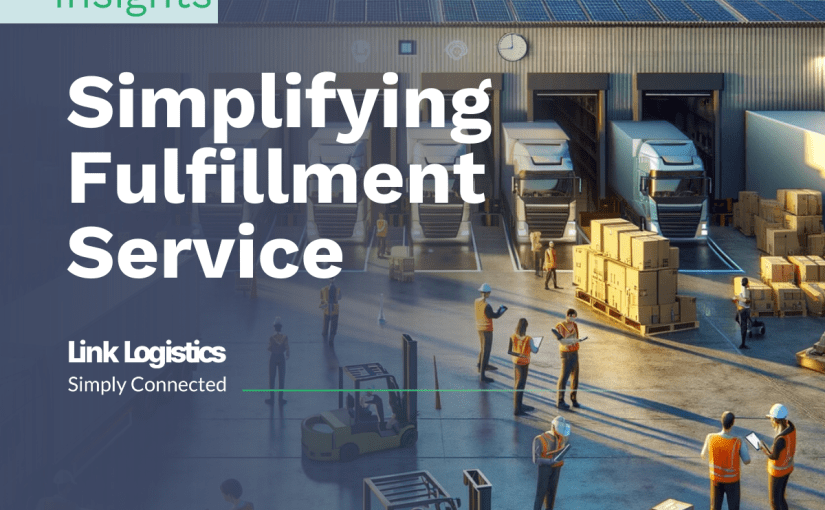
Simplifying Fulfillment Service Strategies
What common pains do businesses experience with their fulfillment services?
Businesses often face the challenge of managing a complex network of suppliers, shipping partners, and inventory systems. These complexities can lead to inefficiencies, such as delayed shipments, errors in order fulfillment, and ultimately, dissatisfied customers.
How can companies put their data to good use to alleviate these pains?
Utilizing data effectively can streamline operations by identifying the most common hold-ups in the supply chain. By analyzing patterns in order fulfillment and customer feedback, companies can pinpoint and address inefficiencies, leading to a more streamlined fulfillment process.
When tailoring fulfillment strategies, how can businesses cater to different audiences?
Understanding the unique needs of each segment of your audience is crucial. For example, a retail business may require fast turnaround times during peak seasons, while a manufacturing client might prioritize bulk shipping options. By customizing fulfillment services to these specific requirements, businesses can ensure they meet the diverse needs of their clients.
Can simplifying fulfillment strategies help in making business operations more understandable to clients?
Absolutely. When businesses simplify their fulfillment strategies, they make it easier for clients to understand how their needs will be met. Clear, straightforward strategies enhance transparency and trust, showing clients that their logistical needs are manageable and well within their control.
What steps can businesses take to simplify their fulfillment service strategies?
First, evaluate the current fulfillment process to identify any unnecessary complexities. Then, implement technology solutions that automate and integrate various stages of the fulfillment process. Businesses should also consider consolidating shipping and supplier relationships to streamline communication and operations.
What should businesses look for when choosing a fulfillment service provider?
When selecting a fulfillment service provider, businesses should inquire about their experience with similar clients in their industry, their ability to scale services, and the technological capabilities they offer to ensure smooth fulfillment operations.
What are the benefits for a business when simplifying its fulfillment service strategies?
Simplified fulfillment strategies can lead to improved efficiency, reduced costs, and enhanced customer satisfaction. Streamlined operations allow businesses to react quickly to market changes and customer demands, maintaining a competitive edge.
What questions should businesses ask to ensure their fulfillment strategy is as simple and efficient as possible?
Businesses should ask:
- Where are the bottlenecks in our current fulfillment process?
- How can we better use data to forecast demand and adjust our inventory accordingly?
- What technologies can we implement to automate our fulfillment services?
- How can we ensure our fulfillment strategy is flexible enough to adapt to changing business needs?
Businesses looking to simplify their fulfillment service strategies
By streamlining fulfillment processes, businesses can focus on growth and customer service, rather than getting bogged down by logistical complexities. A simplified strategy is not about doing less; it’s about doing more with less confusion and greater precision.
 linklogsite